What would your perfect audience look like?

Contents
Imagine you could design your next audience from scratch. Maybe you’d pick the shoppers ready to switch brands or the customers who have never tried you but shop in your category, then send that exact group to the channels you already advertise on.
In practice, most targeted advertising doesn’t work like that. The audience is the closest segment you can choose from a predefined list, and the campaign gets shaped around it. That creates three problems:
- The segment was built for every advertiser in your category, not for what your campaign needs to achieve.
- It mixes the people you want with the people you don’t: your loyal customers, your competitors’ loyal customers, and people who were only ever browsing.
- Interest data can’t tell you what anyone actually bought. So it can’t tell you who is open to switching, who has never bought from you, or who has stopped.
Every campaign has a perfect audience. To find it, start with the objective and build the audience from there.
That’s where data collaboration comes in. By bringing together first-party data from retailers, platforms and brands, advertisers can build bespoke audiences around exactly what their campaigns need to achieve.
Instead of choosing from predefined segments, data collaboration makes it possible to create audiences that no single data set could reveal on its own.
Why broad segments hold targeted advertising back
Interest and demographic segments are broad by design. That makes them useful for awareness at scale, but less useful when a campaign has a specific job to do.
Take a “health and wellness” segment. It holds people researching running shoes, people buying supplements for their dogs, and people comparing gym memberships. They share an interest. They don’t share a reason to buy from you this month.
First-party audiences built from real purchase and behavioural data take targeting further. They can reveal what people actually buy, how often they shop and which categories they’re active in.
But what if your campaign needs something even more specific?
That’s where data collaboration comes in. By combining data sets from retailers, platforms and brands, you can build bespoke audiences around your campaign objective, instead of trying to fit your campaign into an existing segment.
Four objectives, four audiences
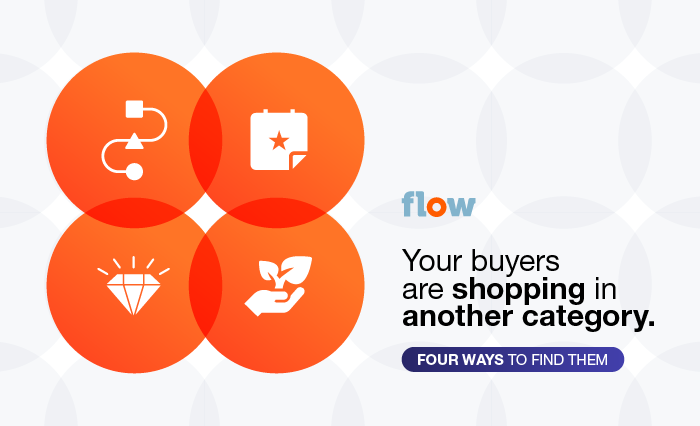
Here are four ways data collaboration can build bespoke audiences around specific campaign objectives.
1. Win the moveable middle
Reach the shoppers who buy the category, but aren’t loyal to any one brand. Marketers call this the moveable middle. These shoppers aren’t loyal to you or to a competitor, so they are the most open to changing what they buy.
Picture a coffee brand. Its ideal switching audience is shoppers who buy coffee every month at a retailer but move between three or four brands. Interest data can’t find them, because it can’t see brand choice. Matching the brand’s customer list against the retailer’s category buyers can.
2. Acquire new customers
Find category buyers who aren’t on your customer list.
“People interested in the category” and “category buyers who aren’t on your customer list” are two very different groups. The first includes a large share of your existing customers. The second is everyone you haven’t won yet.
A pet food brand can build the second group by matching its customer list against a retailer’s pet food buyers and keeping only the people who aren’t on it. Those are new-to-brand buyers who already shop the category.
3. Increase customer spend
Grow spend with the customers you and a retail partner have in common.
This audience sits in the overlap between your customer list and a retail partner’s purchase data. They already know your brand, and they already shop with the partner. Neither side can see the group without the other.
A skincare brand with its own online store might use this audience to promote a new range to existing customers where they already shop for skincare.
4. Win back lapsed customers
Reach lapsed customers who are still buying the category.
You know who went quiet. A retail partner knows whether those people are still buying the category. Put the two together and you can separate customers who left the category from customers who left you.
The second group is the one worth spending on. They haven’t stopped buying: they’ve stopped buying from you.
Two ways to build a bespoke audience
Not every brand has a customer list ready to match, and it isn’t a requirement. Data collaboration can work in two ways:
1. Combine a partner’s own data sets
Retail partners can blend their own data to build an audience around your objective. Think loyalty members who regularly buy premium products, shoppers who purchased on Black Friday two years running, or beauty buyers who are actively browsing skincare products in the retailer’s app.
2. Collaborate with a brand
Retail partners can also combine their data with a brand’s customer list to create audiences neither could build alone. Think shared customers, new-to-brand opportunities, or lapsed customers who are still buying the category.
If you don’t have customer data to bring, ask your retail partner what they can build for your campaign.
How the audience is built
Flow Platform’s Audience Collaboration Platform is a data collaboration platform built for audiences. It works in four steps:
Start the collaboration
A retail or data partner selects the data sets to combine or invites a brand to contribute its own customer data.
Define the audience
Set the criteria around your campaign objective, whether that’s finding new customers, increasing spend or winning back lapsed buyers.
Match securely
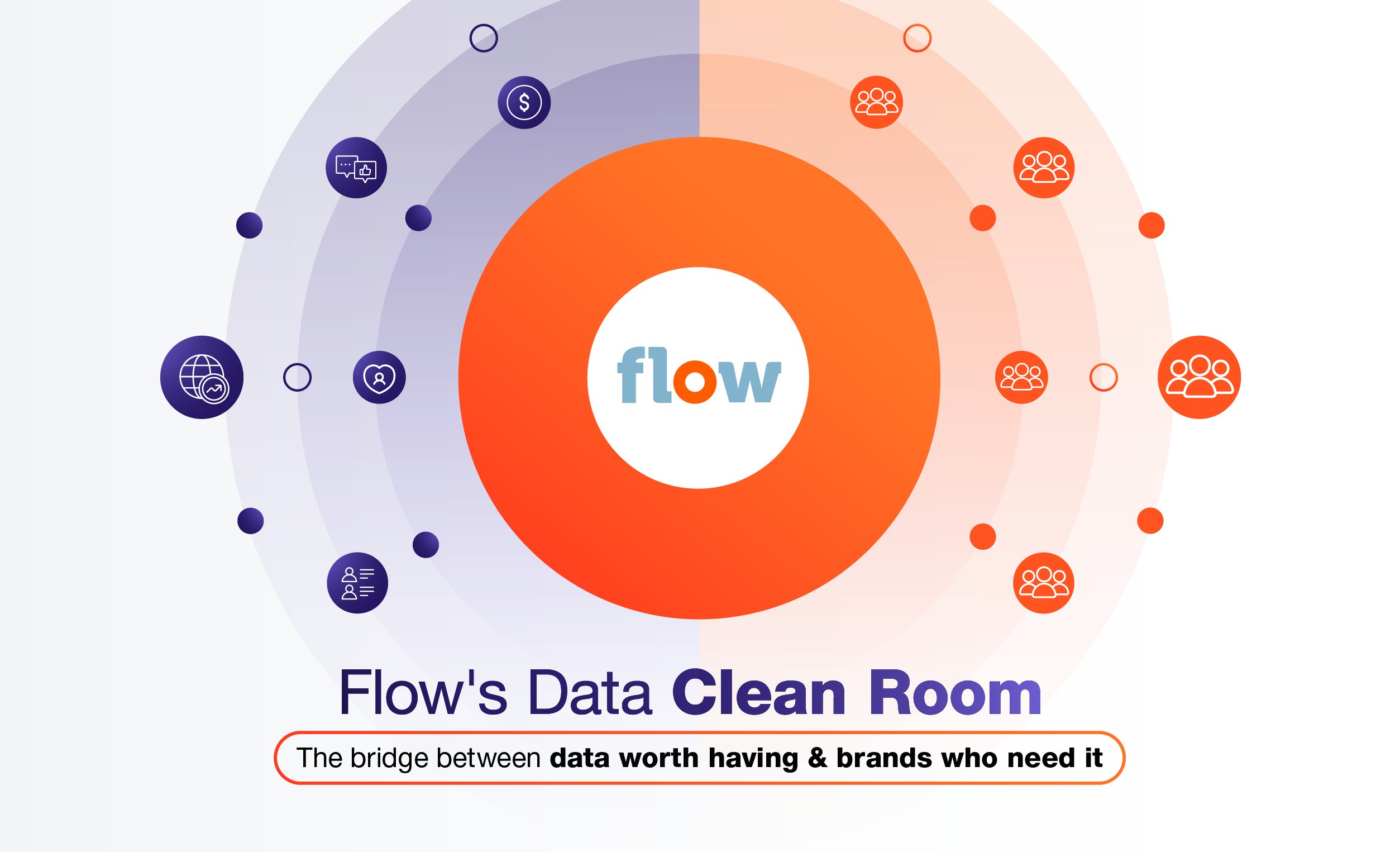
Data is matched in Flow’s Clean Room using hashed identifiers. No raw data changes hands, and each party retains control of its data.
Activate
Your bespoke audience is created, ready to be booked and activated on Meta, Google or TikTok, within 24 to 48 hours.
The output is a campaign-ready audience, not a data file or an analytics project.
How to brief your perfect audience
A good brief starts with a clear objective. Here’s what to consider when defining the audience your campaign needs.

The right audience for the right objective
Sometimes the right audience is already available. Other times, your campaign needs something more specific.
With data collaboration, you can go beyond existing segments to build bespoke audiences around exactly what your campaign needs to achieve.
Already working with a data partner on Flow? Ask them about building a bespoke audience for your next campaign.
Frequently asked questions
What is a bespoke audience?
A bespoke audience is built around a specific campaign objective, using first-party purchase and behavioural data. It can blend more than one of the partner’s data sets, or match the partner’s data against a brand’s own customer list, to create an audience tailored to the campaign.
How is a bespoke audience different from a standard audience segment?
Prebuilt audiences are created around predefined characteristics or behaviours and can be highly effective when they match your campaign goals. Bespoke audiences go a step further, combining data sets to create an audience around your specific objective.
How do I start an audience collaboration?
Audience collaborations are initiated by data partners on Flow. If you’re already working with a participating partner, ask them about building a bespoke audience for your campaign. Otherwise, book a demo with Flow to explore your options.
Is any raw data shared?
No. Matching happens on hashed identifiers, so no raw data changes hands, and your data stays in your control.
How long does it take for an audience to go live?
Audiences take 24 to 48 hours to populate, depending on the channel. Build this into your campaign start date.
How is this different from a data clean room?
Flow’s Data Clean Room is where data is matched securely, using hashed identifiers. The Audience Collaboration Platform is built on top of it for activation: the result is a campaign-ready audience for Meta, Google and TikTok, rather than data to analyse.